How to choose the right retreat destination
The best destination is not always the most impressive one. Compare access, setting, season, and what the team needs to achieve.

Destination choice shapes attendance, energy, agenda, and cost. Start with the team’s constraints and objective before looking at beautiful properties.
A simple decision framework helps you compare very different places without letting one dramatic photograph dominate the choice.
01
Measure real travel effort
Calculate the journey from each attendee’s starting point to the venue door. Include airport transfers, ferry schedules, border crossings, and waiting time—not only the flight.
A destination with a slightly longer direct flight may be easier than one with a short flight followed by several uncertain connections. Look at the group as a whole and identify who carries the greatest travel burden.
- Percentage of attendees with a direct route
- Door-to-door time for the most affected group
- Arrival spread and number of transfer waves
- Risk from seasonal schedules or limited alternatives
02
Match the environment to the purpose
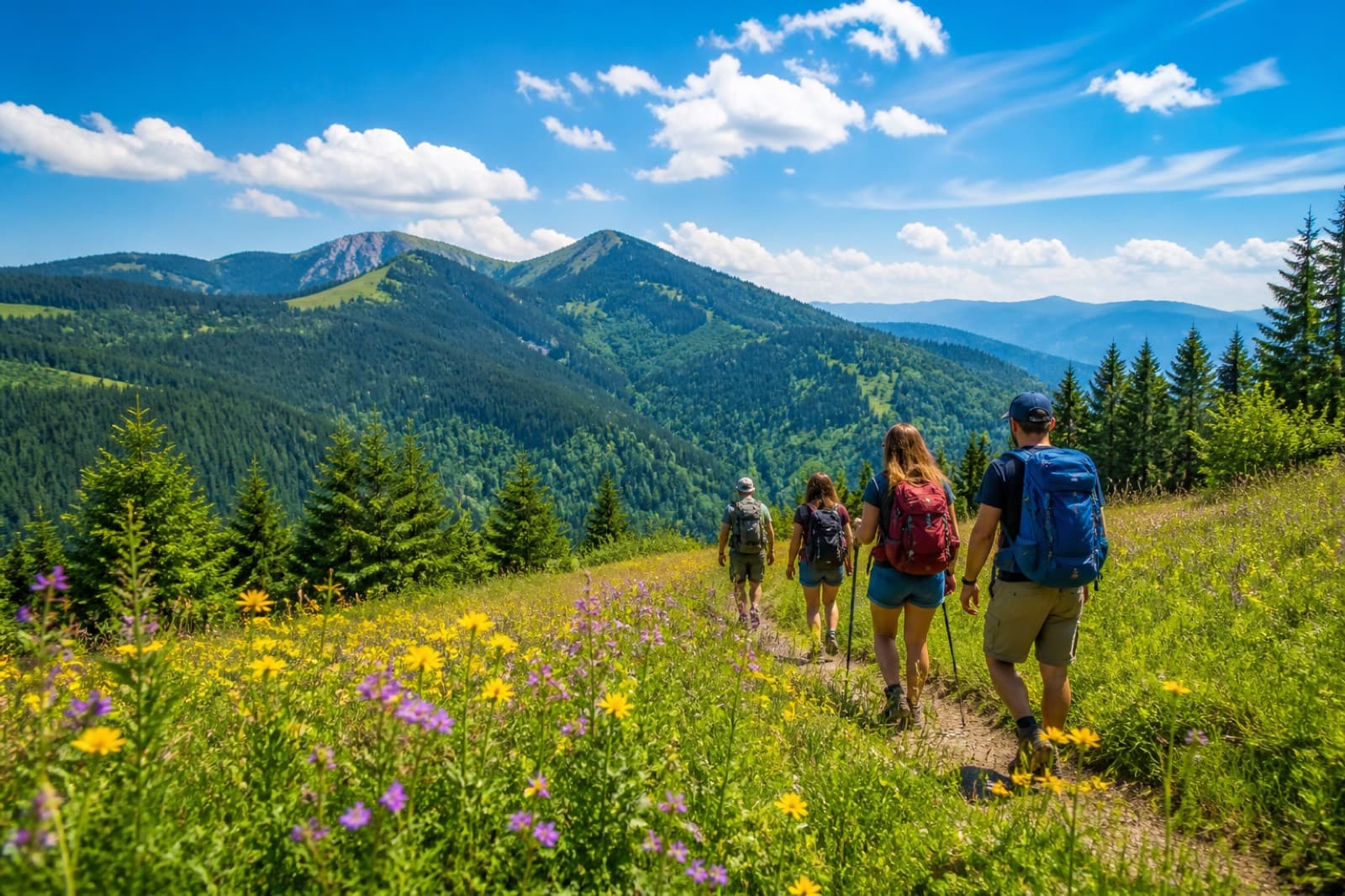
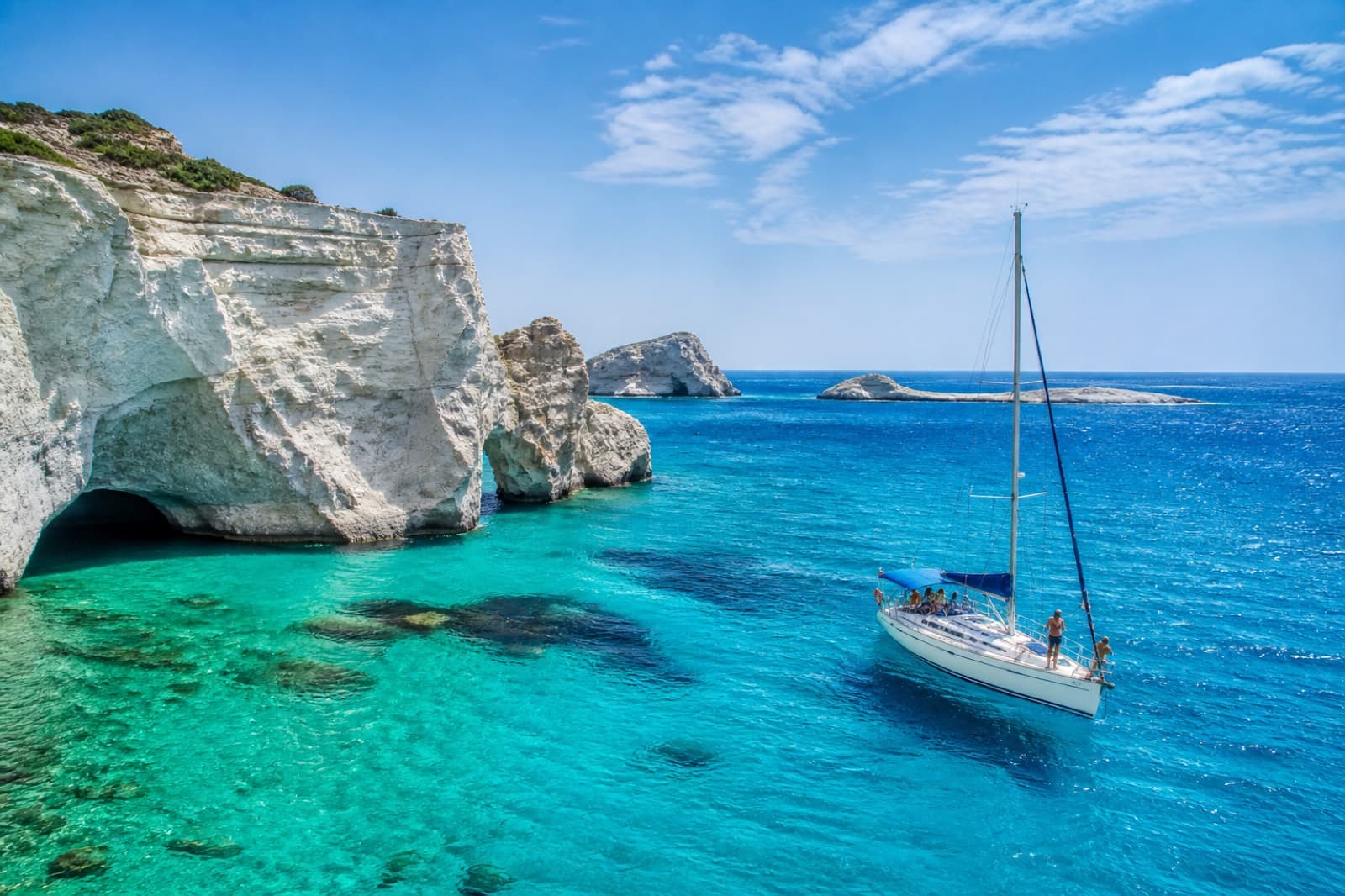
Cities support short travel, dining choice, and flexible indoor programs. Remote natural settings create separation from routine and work well for deeper connection. Coastal venues add strong shared experiences but may be more seasonal.
Choose the environment that makes the desired behaviour easier. A leadership strategy retreat needs privacy and reliable working space. A celebration may benefit from energy, variety, and memorable evening options.
03
Check the complete local ecosystem
A beautiful hotel is only one part of the event. Review meeting rooms, nearby experiences, transport capacity, restaurants, medical access, weather alternatives, and local support.
Ask what happens if the main outdoor activity cannot run. A destination becomes much stronger when an indoor alternative can preserve the purpose of the session rather than merely fill time.