City or nature: which retreat setting fits your team?
Compare access, energy, privacy, activities, and working conditions before choosing between an urban and remote setting.
A city and a remote natural setting can both create an excellent retreat, but they support different rhythms. The right choice depends on the outcome, travel pattern, and amount of structure the team needs.
Use the comparison below to choose intentionally rather than treating the destination as decoration.
01
When a city works best
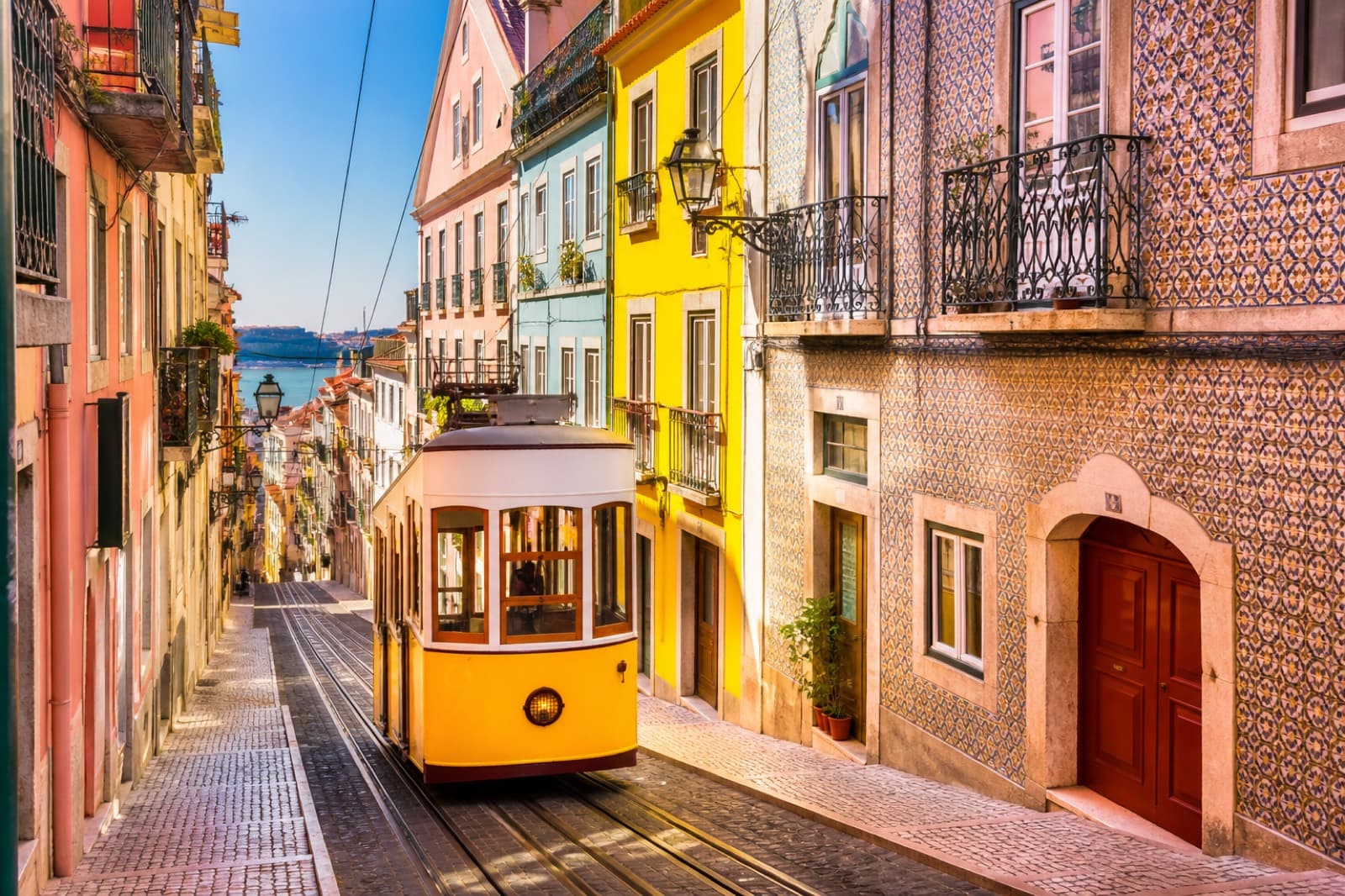
Cities usually provide better transport connections, more accommodation types, varied restaurants, and easy indoor alternatives. They work especially well for shorter events, international groups, and programs that combine meetings with cultural experiences.
The trade-off is distraction. If attendees can easily leave for separate plans, design strong shared moments and choose a venue that reduces unnecessary travel across the city.
02
When nature works best
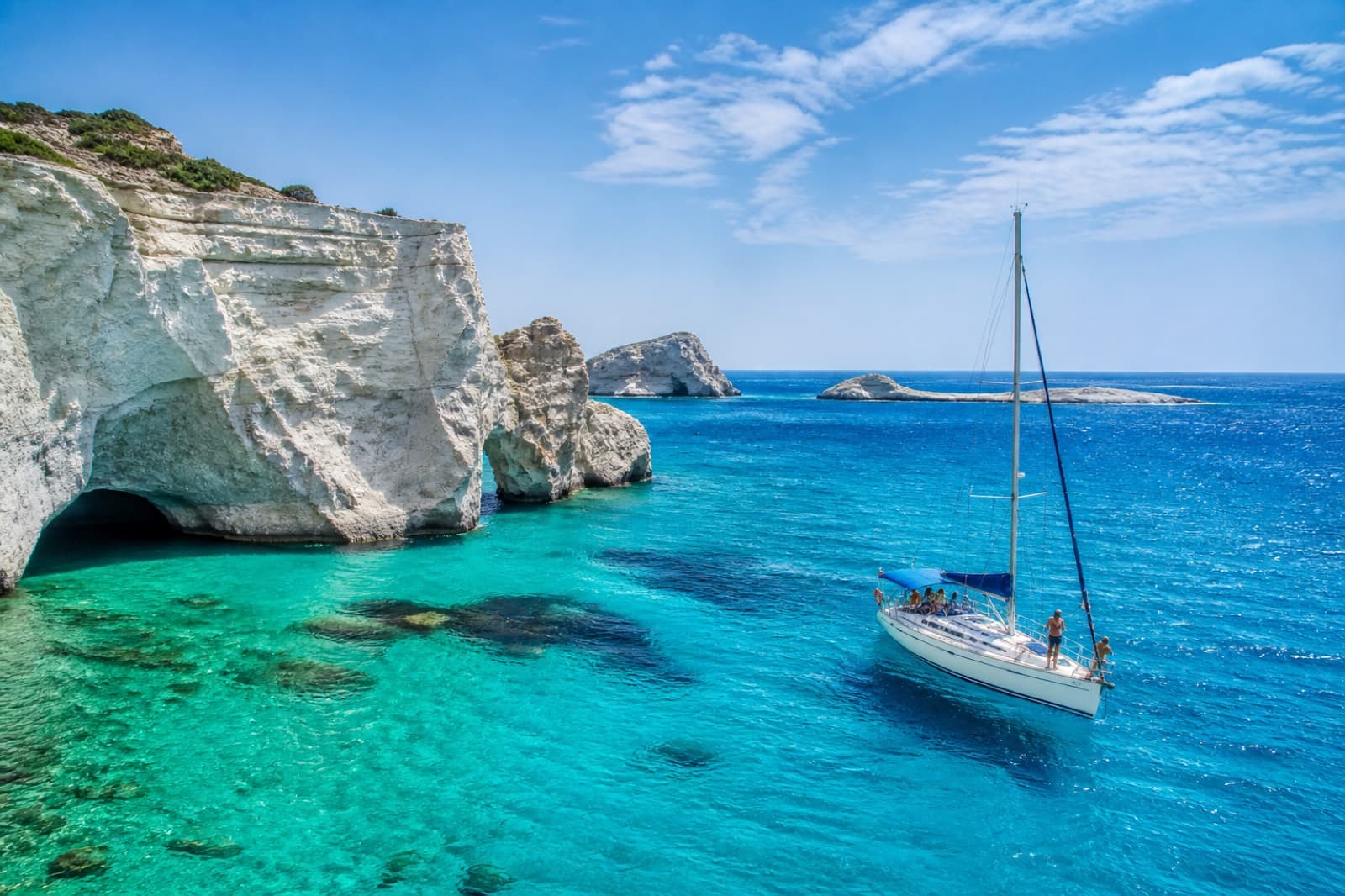
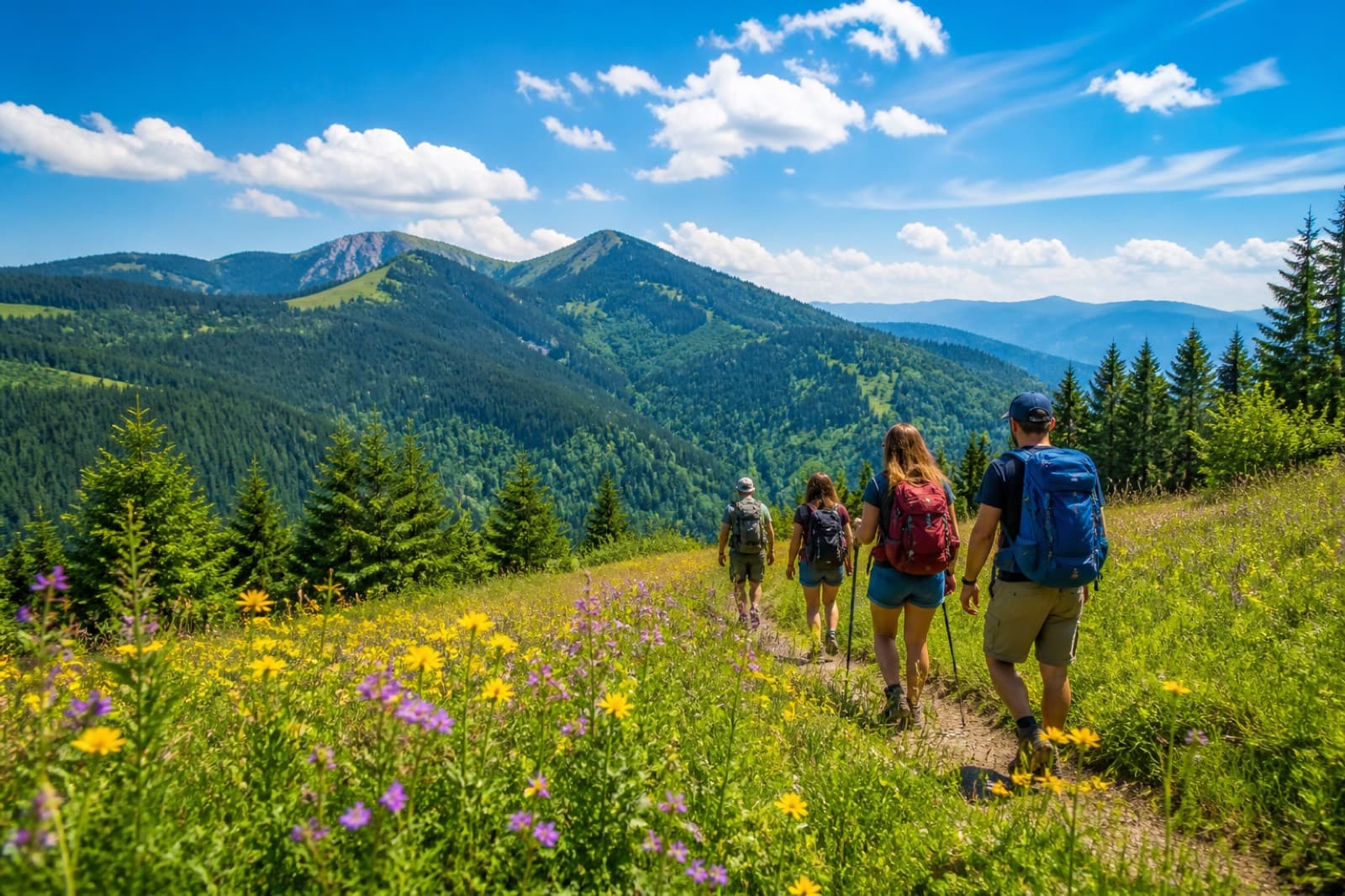
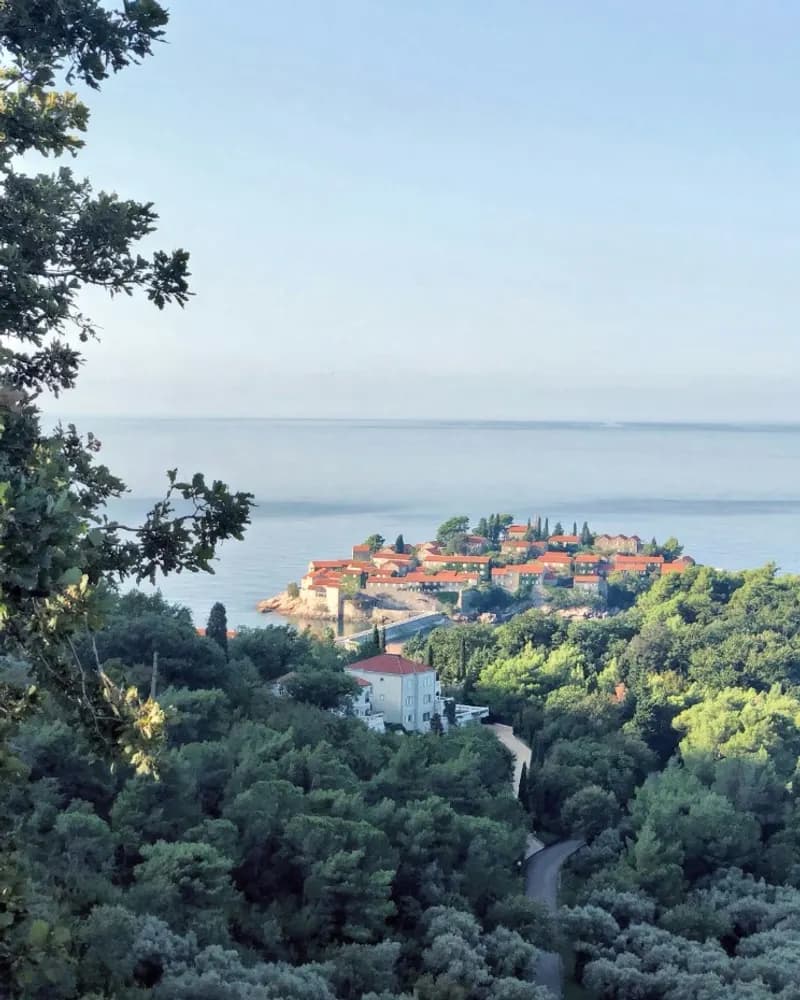
Mountains, countryside, and coastal settings create a clearer break from normal routines. They can support deeper conversation, outdoor experiences, and a stronger sense of sharing one journey.
Remote venues require more careful transport, weather planning, medical access, and evening programming. Confirm that the property has reliable working space and enough variety if the group stays on site.
03
Use a weighted decision
Score each setting against the factors that matter for this event: travel effort, privacy, work facilities, activity fit, accessibility, food, weather resilience, and total cost.
Weight the criteria before viewing proposals. If access is twice as important as nightlife, the comparison should reflect that.
- Objective and desired atmosphere
- Door-to-door travel for the full group
- Quality of work and breakout spaces
- Indoor and outdoor program options
- Accessibility, seasonality, and contingency