A practical team retreat agenda template
A useful agenda balances focused work, shared experiences, rest, and the conversations that cannot be scheduled.

The most common agenda mistake is trying to justify the trip by filling every hour. A strong retreat creates rhythm: focus, movement, conversation, recovery, and enough margin for the group to stay present.
Use this template as a starting point, then adjust the balance to match your primary outcome.
01
Day one: arrive and create context
Arrival day should reduce friction rather than demand instant performance. Allow a generous travel window, offer food on arrival, and make the first formal session short and useful.
Open by explaining why the team is together, what will happen, and how people can participate. A relaxed shared dinner usually creates more connection than a complex evening activity after travel.
- 15:00–17:00 — arrivals, check-in, and informal welcome
- 17:30–18:15 — opening context, goals, and practical information
- 18:30–20:30 — hosted dinner with light conversation prompts
- After 20:30 — optional social time; no required content
02
Day two: focus, experience, and connection
Place the most important working session in the morning. After lunch, change the energy with a shared experience that supports the goal of the retreat. Leave recovery time before dinner.
Avoid using the evening to finish work that did not fit earlier. People need space to process and connect informally.
- 09:00–11:00 — priority workshop or strategic discussion
- 11:00–11:30 — break
- 11:30–12:30 — decisions and next steps
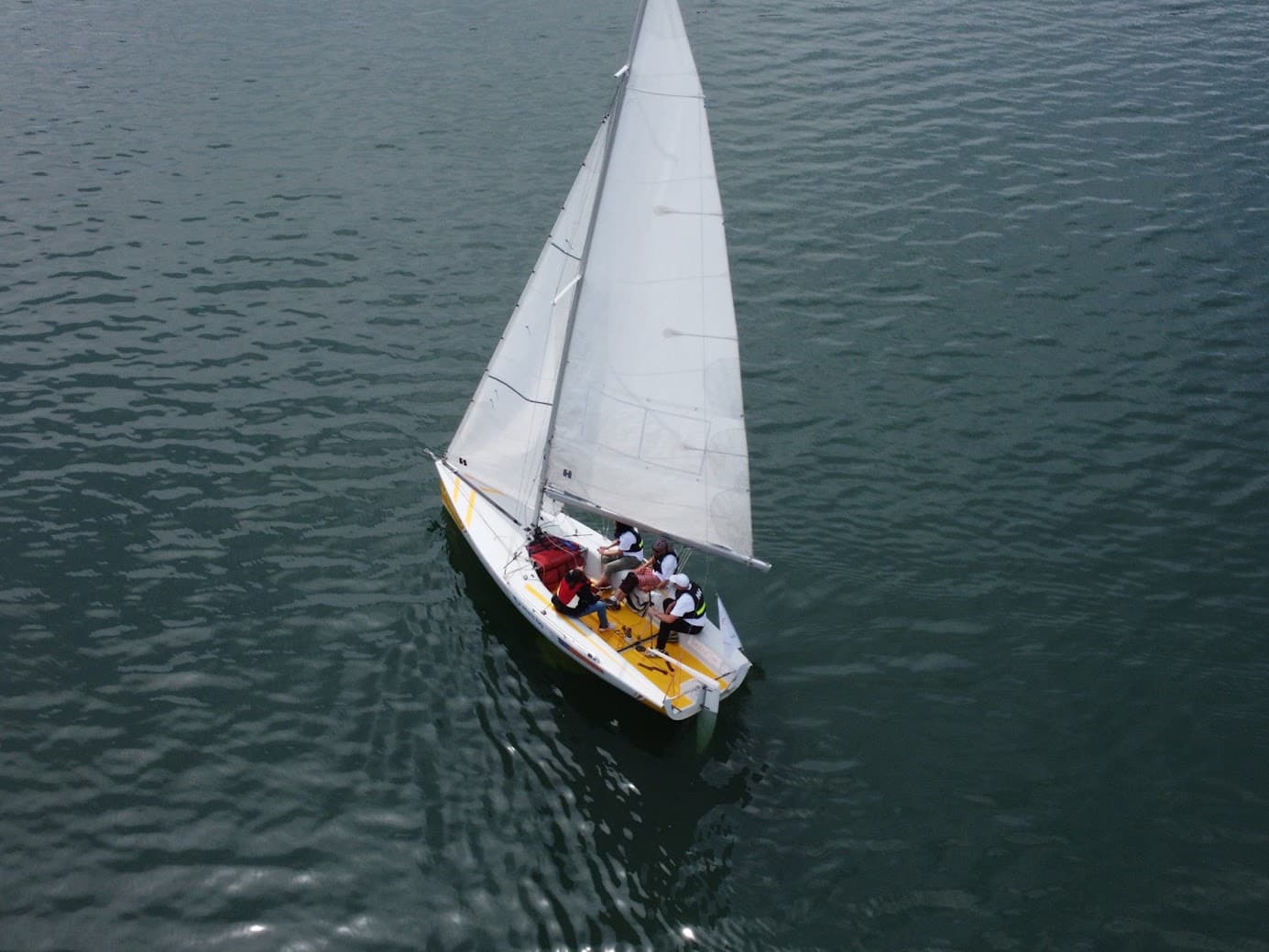
- 14:00–17:00 — shared team experience
- 17:00–19:00 — personal time
- 19:00 onwards — dinner and informal connection
03
Final day: convert energy into action
The closing session should not repeat the whole retreat. Capture the few decisions, commitments, and open questions that matter after everyone leaves.
Assign an owner and date to every action. Send the summary quickly—ideally within two working days—while the context is still fresh.