How to design a more inclusive company offsite
Build participation, accessibility, and genuine choice into the event from the first brief—not as last-minute adjustments.
.jpg&w=1920&q=75&dpl=dpl_A4ieDJWFePxJrjcgqrc7i35aX3Bh)
An inclusive offsite does not assume that everyone connects, travels, eats, communicates, or participates in the same way. It gives people clear information and more than one way to take part.
Inclusion improves the event for the whole group because it replaces hidden expectations with thoughtful design.
01
Collect needs without asking people to disclose publicly
Use a private attendee form for mobility, sensory, dietary, religious, medical, and caregiving considerations. Explain who can see the information and how it will be used.
Do not make one person repeatedly request the same adjustment from the hotel, host, and activity supplier. The organiser should coordinate confirmed requirements across the plan.
- Step-free routes and accessible rooms
- Dietary requirements and cross-contamination risk
- Quiet space, rest breaks, and sensory considerations
- Medication storage or relevant medical access
- Travel documents, language support, and caregiving constraints
02
Offer meaningful ways to participate
Choice should not mean a premium activity for one group and an afterthought for everyone else. Create alternatives with similar social value and status.
During workshops, mix spoken discussion with individual reflection, written input, and smaller groups. Share prompts in advance when possible so fast speakers do not dominate every decision.
03
Communicate early and precisely
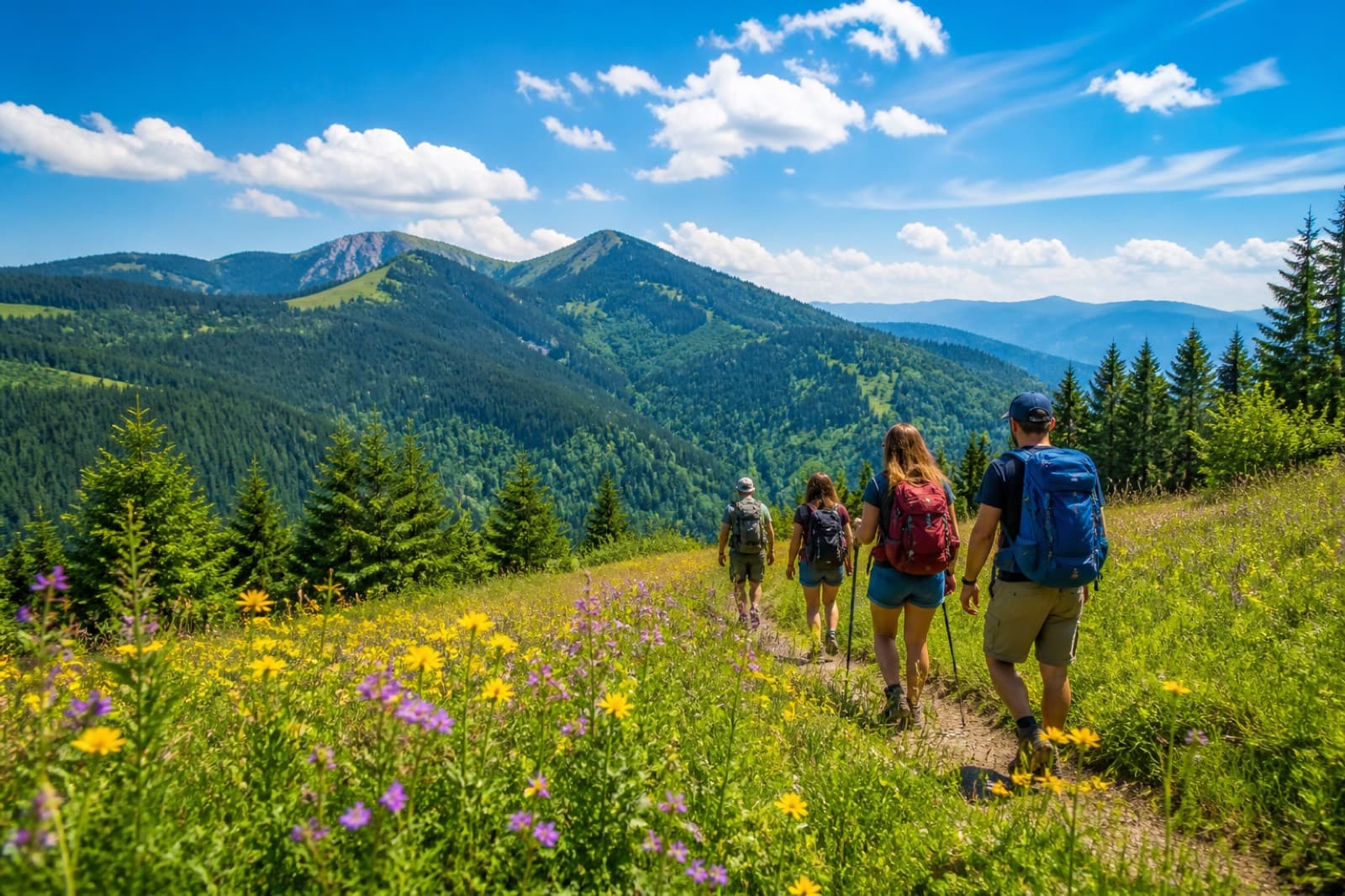
Attendees make better decisions when they know the terrain, clothing, duration, transport, food, room setup, and expected level of participation. Avoid vague descriptions such as “easy activity” or “short walk.”
Provide one contact for private questions before and during the event. Include a simple schedule and update people quickly when details change.